Safety Topics
Better Bay Alliance (BBA) | February 2026
Objectives:
- Collision bearings and visibility obstructions
- Avoiding Sailboat regattas
Collision Bearings and Visibility Obstructions
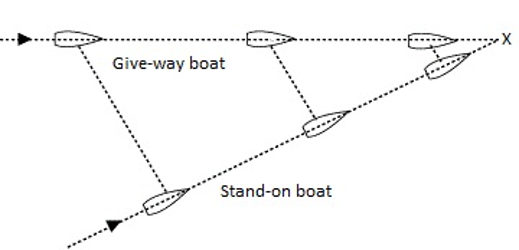
How to tell if you’re on a collision bearing?
- Hold your course
- Take a bearing on the other boat, either by sighting across a compass or part of your boat or use AIS or radar.
- A little while later, take the bearing again.
- If the second bearing is the same as the first, your courses are converging on a single point which is a collision bearing.
- If the second bearing is different than the first, it’s either an opening or closing bearing, and you will pass ahead or behind, respectively, of the other vessel.
- If you’re the give-way vessel, start altering your speed or course sooner than later, so the other boat knows your intent.
- If he’s the give-way vessel, watch him like a hawk and be prepared to avoid him
- Most people on the water don’t appear to know the right-of-way rules
Visibility Obstructions are why you need a Lookout.
What about visibility obstructions?
There is chance when checking for collision bearings that your vessel may have a physical obstruction (i.e. cockpit stanchion) not allowing you to see another vessel.
If the other vessel is on a bearing in that obstruction area, you might not see the vessel until it’s too late, or not at all If your vessel has such obstructions, it is your responsibility to frequently check behind the obstructions for any potential crossing vessels or use a look out.
How to be a good crew
All crew members should have some basic skills before heading out on the water:
- Being a proper lookout
- Location of life jackets and fire extinguishers
- Basic operation of the VHF radio
- How to start and stop an engine
- Location and operation of seacocks
- Basic understanding of controls (sail or power)
- How to locate your position on paper and electronic charts
- How to identify and follow a channel
- How to bring a boat close to a dock
- How to respond to a man-overboard situation
- How to throw a line and attach fenders
Avoiding Sailboat Regattas
Two basic types...
Bouy Racing
Boats race around buoys (Gov. marks or race marks), usually in a relatively close proximity area of <3 miles distance between buoys
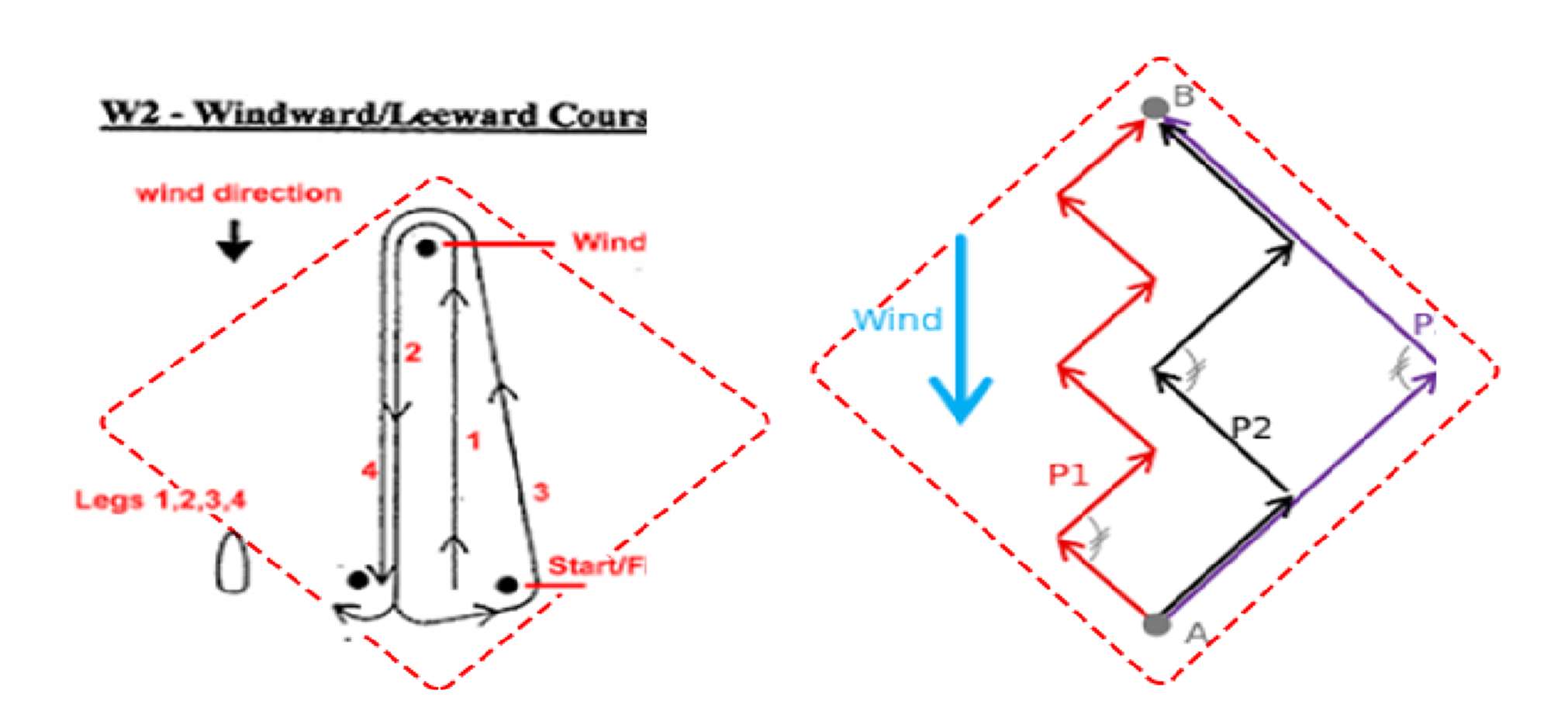
Not always, but boats usually race “windward/leeward” courses
- Start/finish in the middle on a line perpendicular to the wind
- Boats will sail laps around the windward and leeward marks
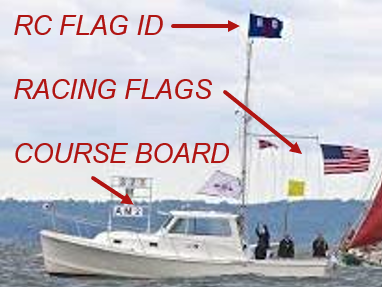
Racing Marks
Race Committee Boat
Buoy Racing
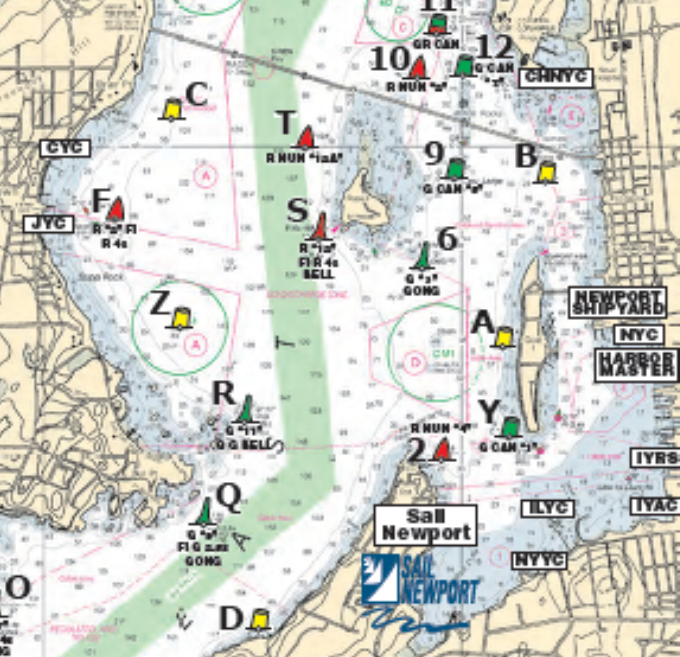
Weeknight Series racing can use Government marks, but typically still select windward/leeward type courses.
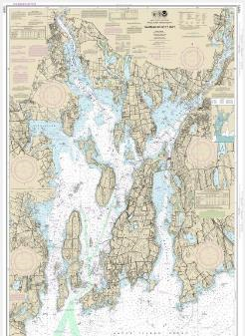
Local South Bay racing chart is available for download at Sail Newport:
Long Distance Racing
Boats race on a distance “course”, sometimes a fixed course and sometimes a “course” selected on race day depending on wind conditions.
Examples:
- Ida Lewis Distance Race
- Around Jamestown Race
- New England 100
Offshore
- Solo/Twin
- Ida Lewis Distance Race
- Mitchell Race to Block
Race Committee Boat
MarineTraffic.COM vs AIS
- Automated Identification System (AIS)
- Nav info system to transmit your position and vessel data to the AIS network and display other vessels on your system
- Will cost ~$2K-3K and is specific purpose built
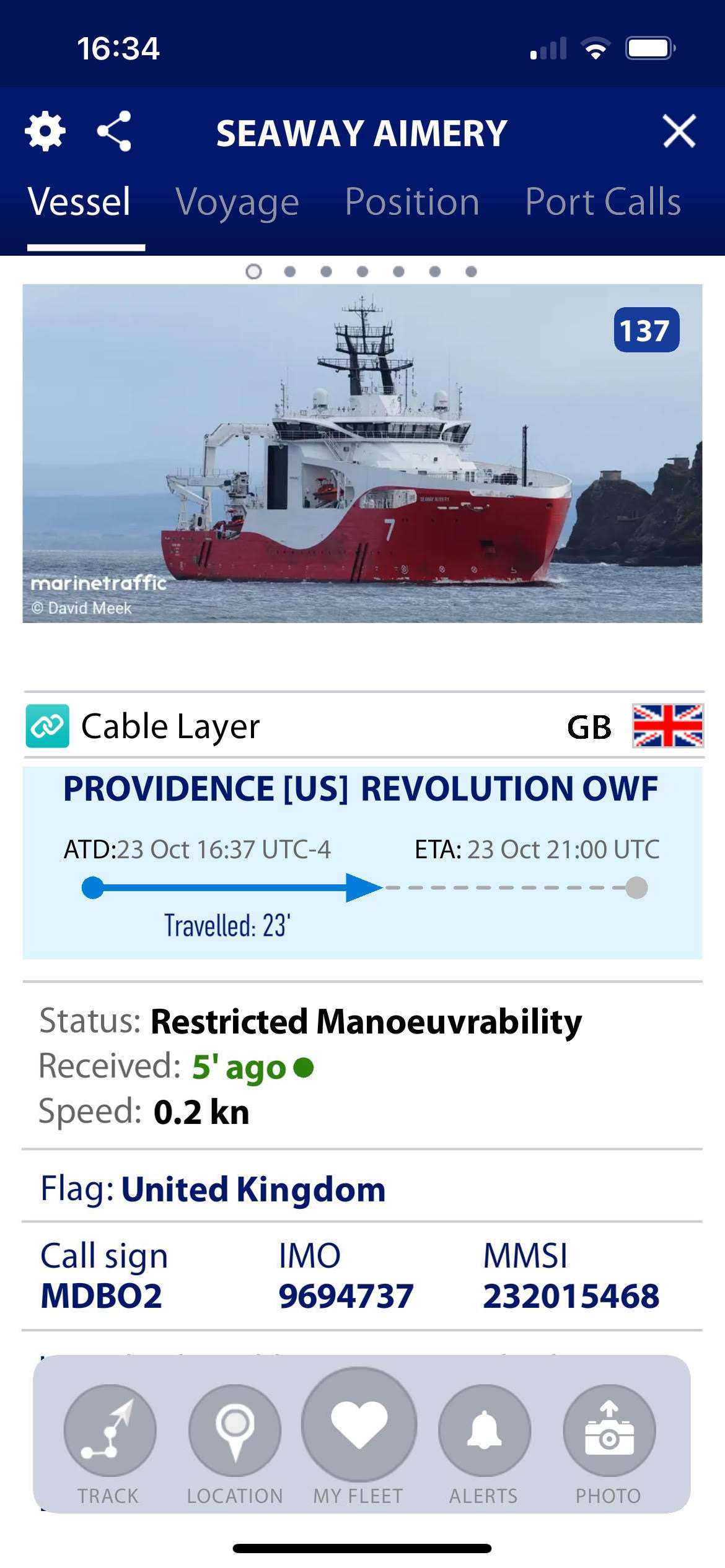
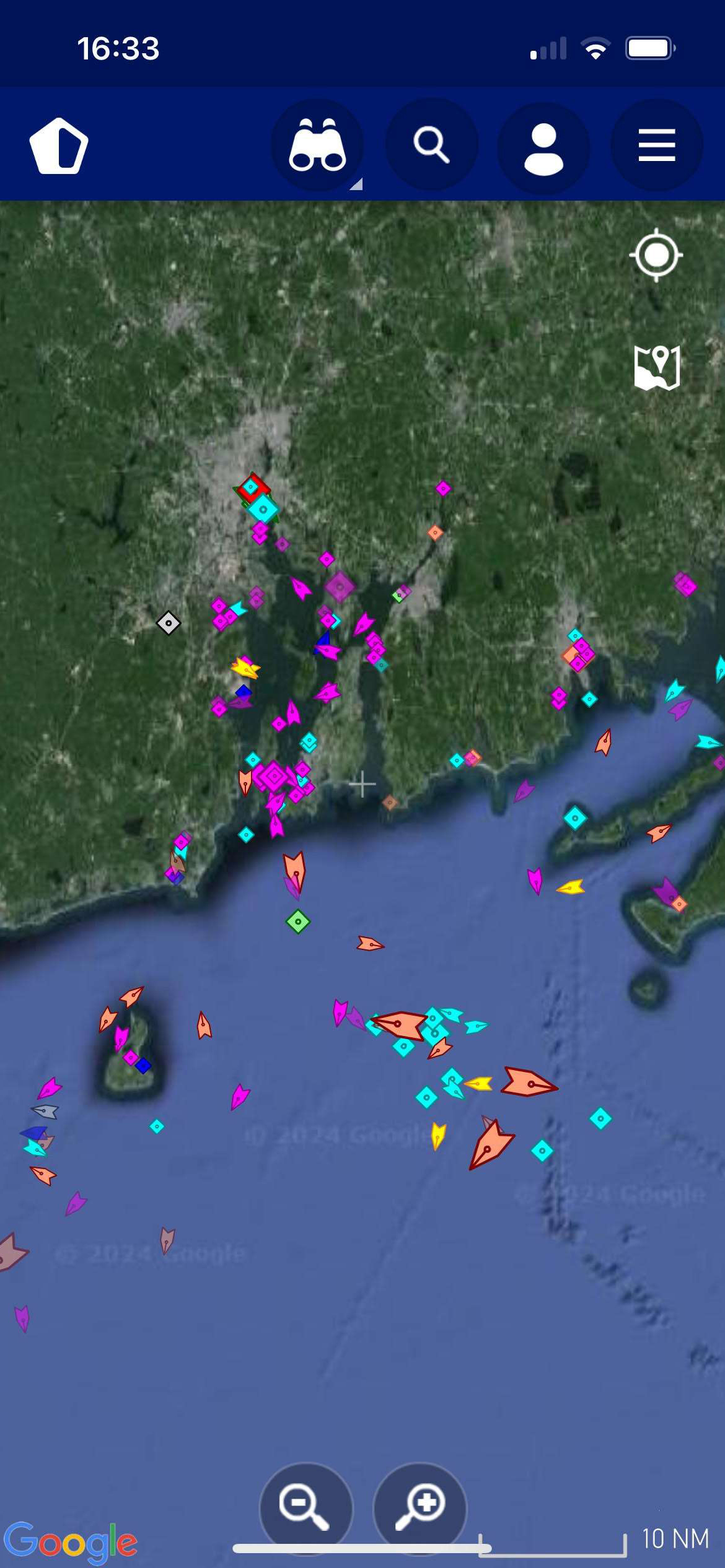
- MarineTraffic.com
- Website FREE to the public that displays live AIS traffic for vessels with AIS
- Can be displayed for free on mobile device using web link or APP
- (i.e.) iPhone or iPad with cellular service
- Does not use your mobile device as transmitter to info others about your vessel
- Paid subscription offers more info on vessels
- All large vessels carry AIS
- Regulation requires AIS to be fitted aboard all ships of 300T+ engaged on international voyages, cargo ships of 500T+ not engaged on international voyages, and all passenger ships irrespective of size
Collision Avoidance
Mar 14, 2023 | Boating Safety
Are you aware of all the necessary steps and precautions needed to avoid collisions with other vessels? Check out this safety video to further improve your seamanship skills.
Video Courtesy of United States Power Squadrons®
